International Joint Graduate Course in Sustainable Energy Conversion & the Environment
Earn three credits for ENME 701 while studying abroad at Korea University in summer 2027.
Earn three credits for ENME 701 while studying abroad at Korea University in summer 2027.
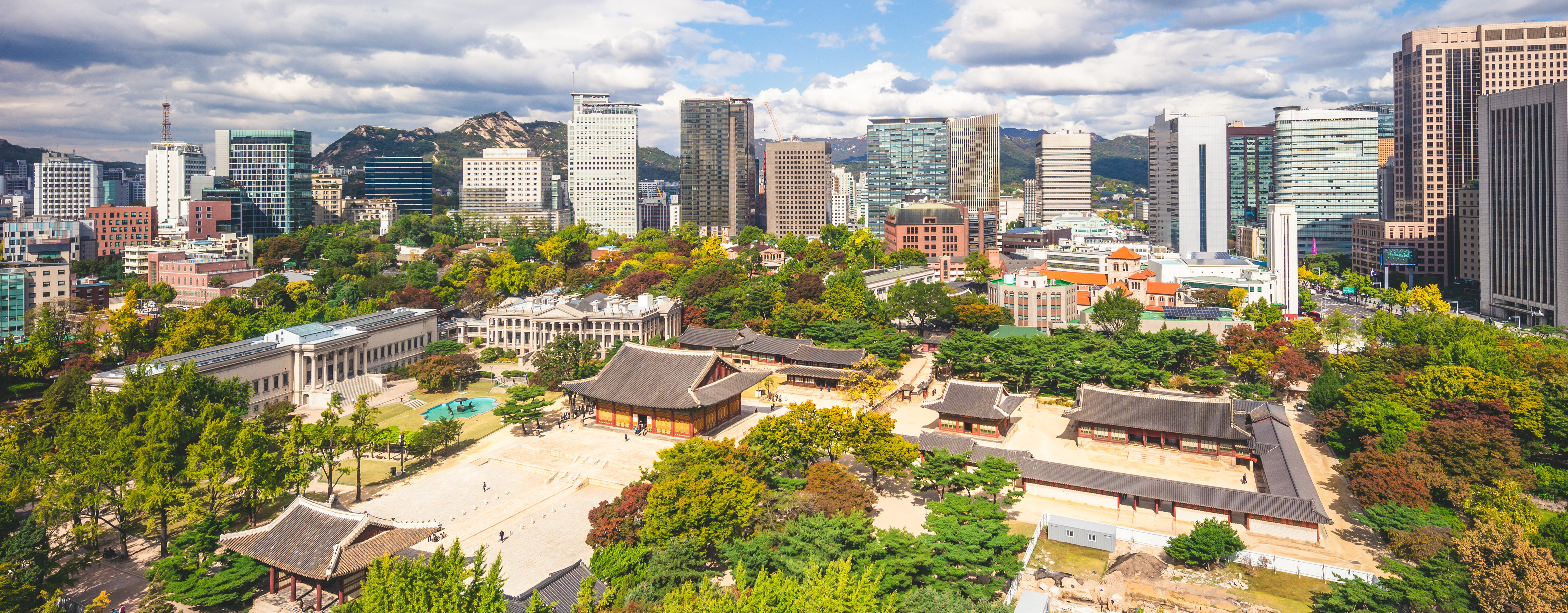
University of Maryland students will travel to the vibrant city of Seoul, South Korea, for the 2027 International Joint Course in Sustainable Energy Conversion and the Environment to collaborate with students from Korea University, Hamburg University of Technology (Germany), Shanghai Jiao Tong University (China) and Waseda University (Japan). As South Korea's capital and the center of K-Culture, Seoul is home to ancient palaces and modern skyscrapers, all framed by majestic mountains.
See our article about the 2026 course.
|
|
Course Objectives
UMD participants are enrolled in ENME701: Sustainable Energy Conversion and the Environment. |
|
|
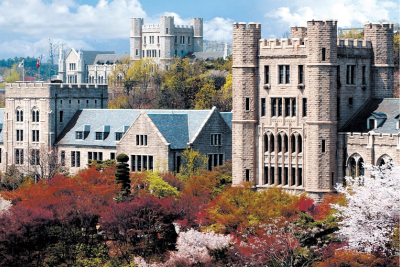
2027 LocationKorea University will welcome course participants to its Seoul campus. This capital city offers a mix of tradition and trends, with a rich history and a thriving culture of K-pop, K -food and K-drama. Participants attend lectures and collaborate on projects each weekday. During evenings and weekends, they explore the area. |
|
|
Who Can EnrollGraduate students and rising seniors are eligible to apply. This program is open only to students majoring in engineering, chemistry and physics. Prerequisite: undergraduate thermodynamics course or permission of the instructor For additional questions, contact Research Professor Yunho Hwang.
|
 |
International PartnershipThe course location rotates among the participating universities: 2027 - Korea University, South Korea 2026 - Hamburg University of Technology, Germany 2025 - University of Maryland, USA (Read more about the 2025 course.) 2023 - Waseda University, Japan |
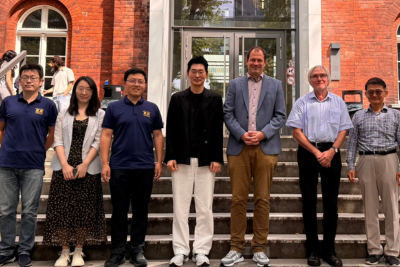
 UMD Research Professor Yuhno Hwang is among the course's instructors.
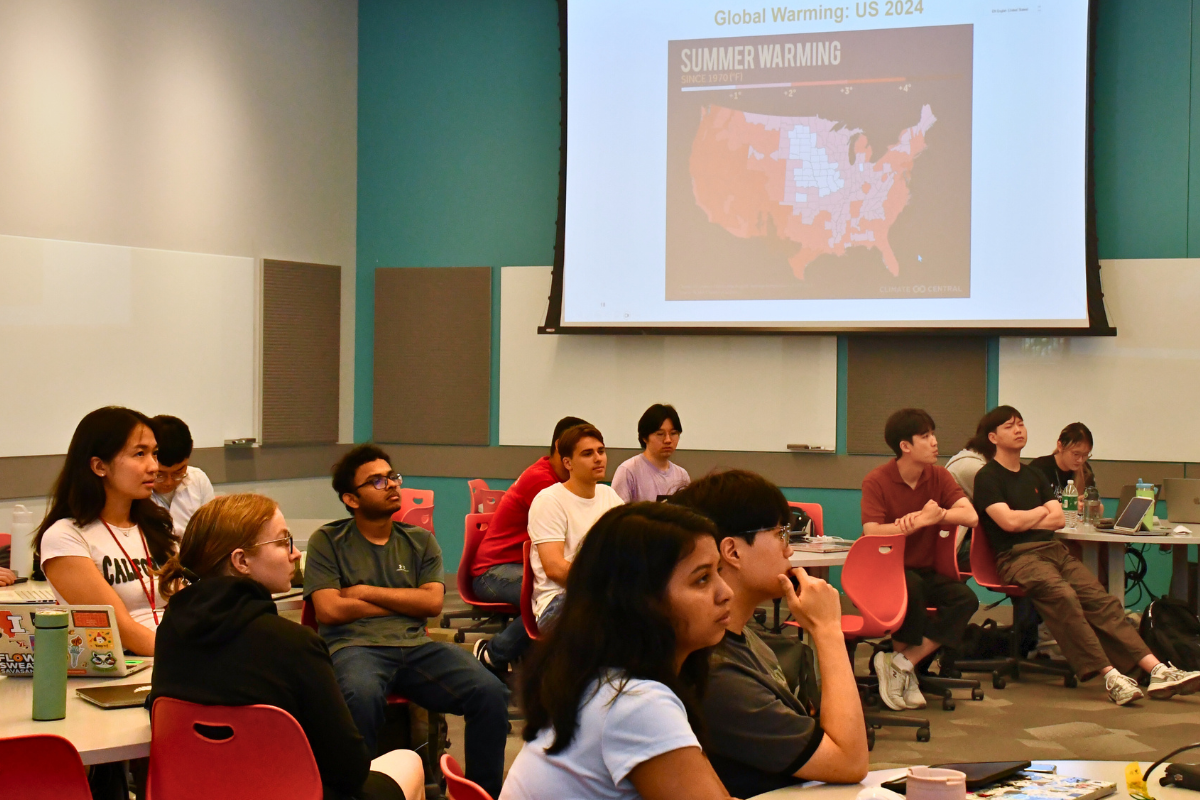
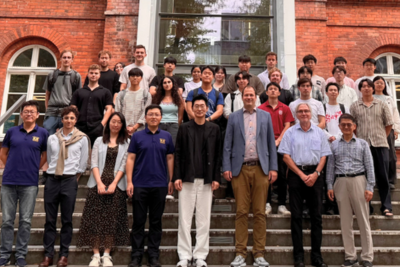
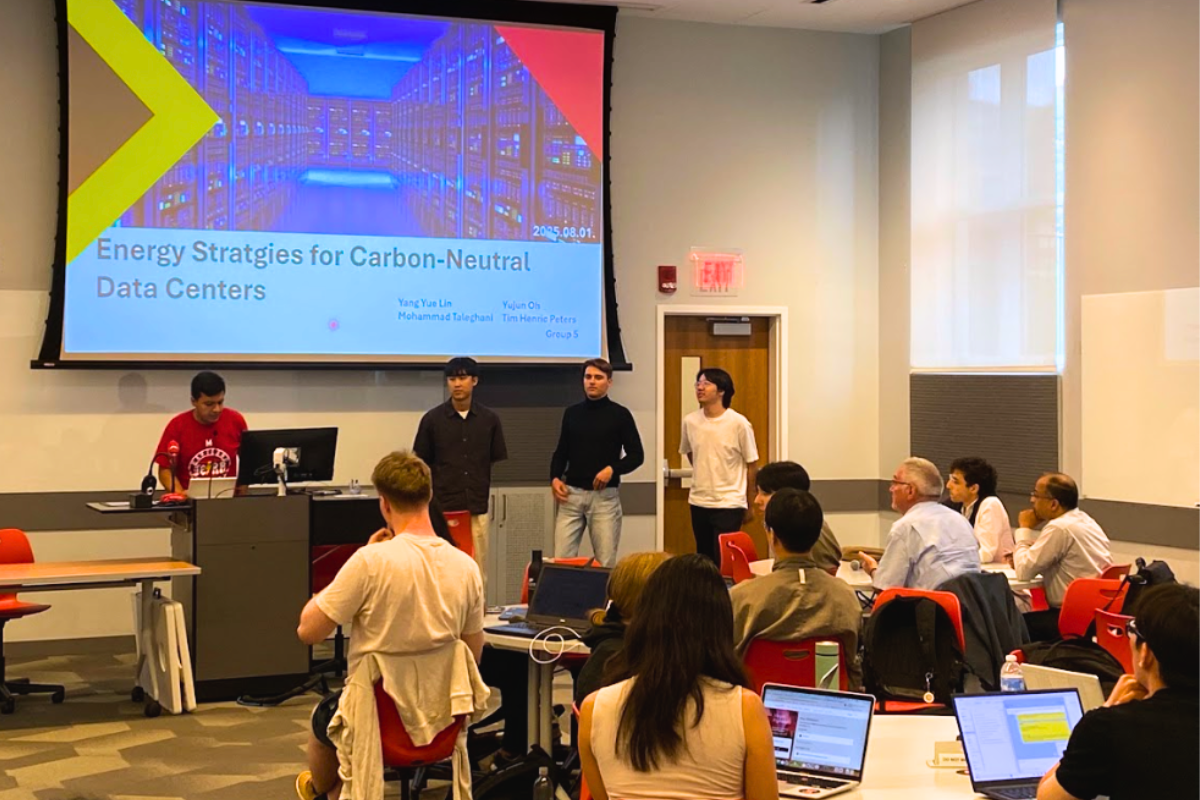
The course is co-taught by professors from each of the participating universities. |
InstructorsThe course is co-taught by experts from each of the five participating universities. The 2026 faculty included: Dr. Niccolò Giannetti is an associate professor at the Institute for Energy and Environmental System at Waseda University in Tokyo, Japan. His research spans a broad range of thermal and energy systems, including heat pump dynamics, solar cooling, absorption systems, natural refrigerants, and the application of machine learning for modeling and optimization. Dr. Yunho Hwang is a research professor of Mechanical Engineering and director of the Consortium for Energy Efficiency and Heat Pumps at the Center for Environmental Energy Engineering at the University of Maryland. He is a world-renowned expert in energy efficiency and innovative energy systems research in the field of refrigeration and air-conditioning. Dr. Hoseong Lee is in the Department of Mechanical Engineering at Korea University. His research spans a broad range of energy systems, including heat pump technologies, thermal management for electric vehicles and data centers, and the optimization of plus-energy buildings. Dr. Arne Speerforck is dean of the School of Mechanical Engineering at Hamburg University of Technology and a professor in the university’s Institute of Engineering Thermodynamics. His research focuses on energy-efficient air conditioning, heat pumps and energy networks. He previously worked as a visiting scholar with UMD’s Center for Environmental Energy Engineering. Dr. Gerhard Schmitz is professor emeritus for thermodynamics in the Department of Mechanical Engineering at Hamburg University of Technology (TUHH). His research focuses on modeling and analyzing of complex energy systems. Dr. Zhenyuan Xu is in the School of Mechanical Engineering at Shanghai Jiao Tong University. His research focuses on the efficient utilization of solar thermal energy and waste heat with desalination, thermal storage and heat pumps. Dr. Baowen Zhou is in the School of Mechanical Engineering at Shanghai Jiao Tong University. His research is focused on developing the new-generation Carbon-Neutral Energy Device, System and Solution for green hydrogen and renewable fuels, metal-air batteries, and waste valorization. |